Ajman
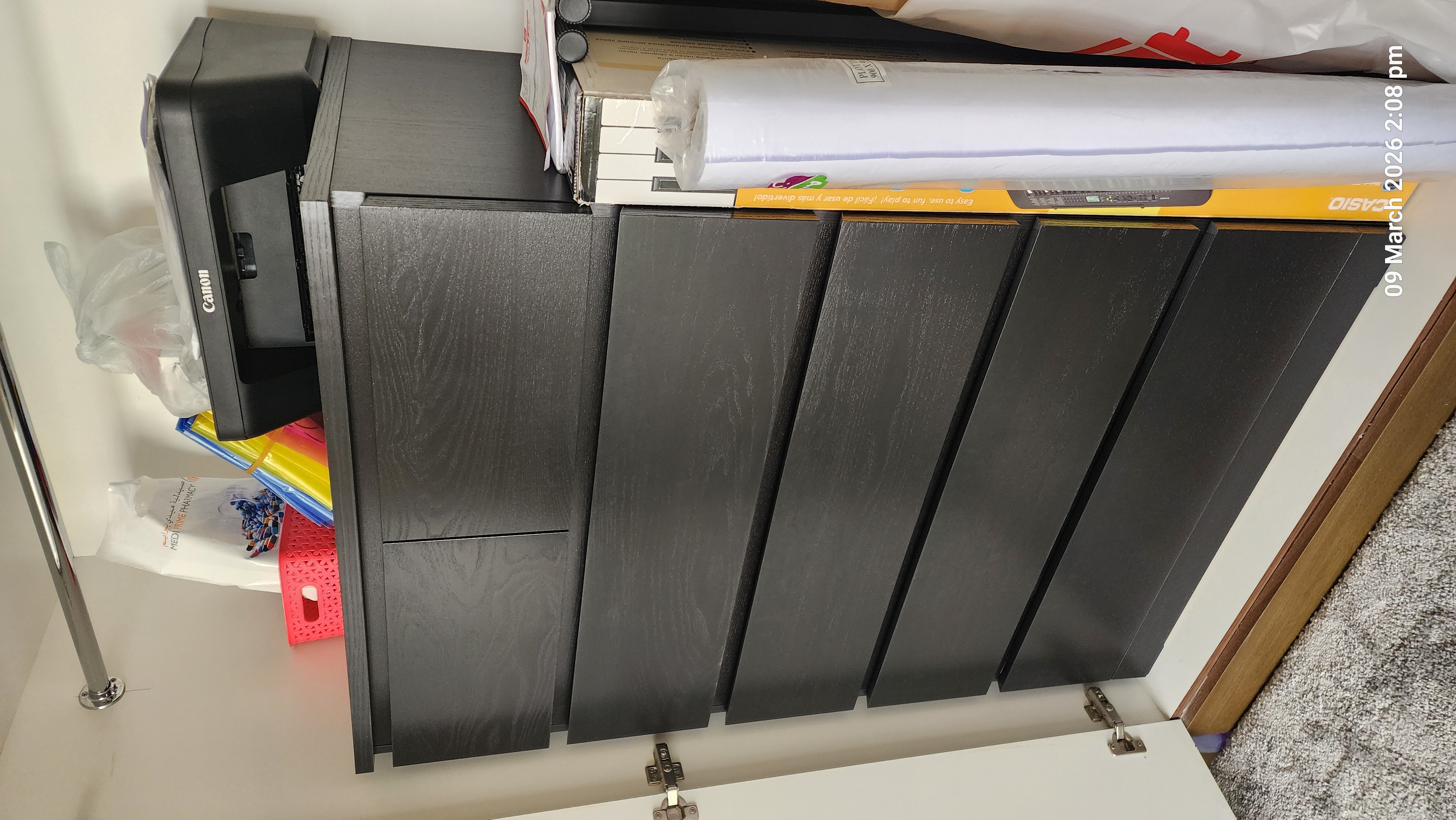
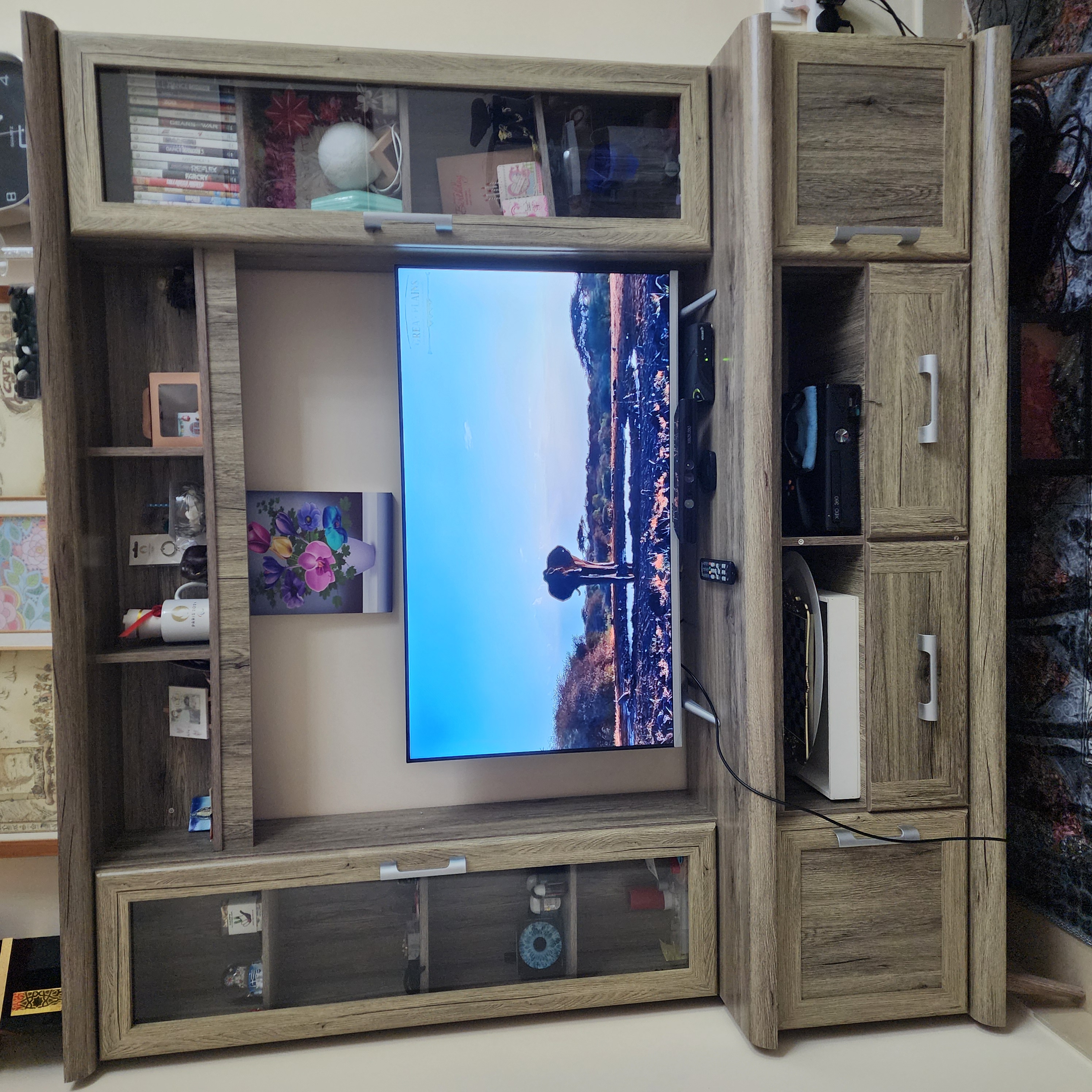
Brand New
Still in original packaging
Like New
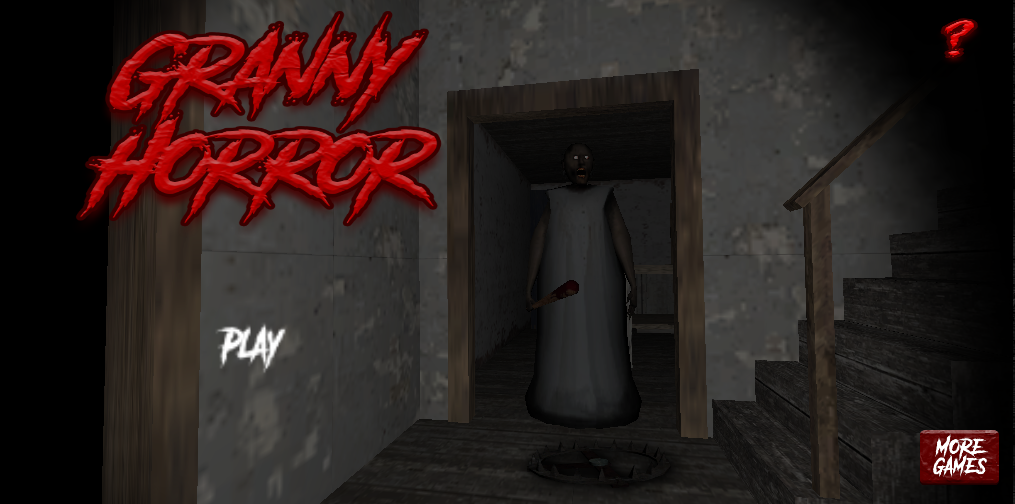
Granny is a mobile horror game that transformed simple mechanics into a deeply unsettling survival experience. Released by DVloper, the game quickly gained global popularity thanks to tense gameplay, minimalist storytelling, and relentless pressure. Unlike many horror titles that rely on cinematic sequences or complex combat systems, Granny focuses on stealth, patience, and sound awareness.
The objective appears simple at first glance. The player wakes up inside a locked house and must escape within five in-game days. However, every movement produces risk. Noise attracts Granny, and she moves quickly through the house once alerted. Each mistake shortens survival chances. This constant tension creates an atmosphere that feels heavy and unpredictable.
Granny demonstrates how limited space and limited resources can generate powerful fear. Instead of open exploration, the game confines the player to narrow hallways, dark rooms, creaking stairs, and hidden crawl spaces. The environment becomes both prison and puzzle.
There are no traditional weapons in standard difficulty. Survival depends on silence and strategy. Dropping an item on the floor creates noise. Walking over loose floorboards creates noise. Even opening certain doors too quickly can create noise. Every action must be calculated.
When Granny hears something, she investigates the location. If she sees the player, she gives chase. The chase is intense because the house layout forces quick decision making. The player must memorize hiding spots such as beds, wardrobes, and hidden passages. Panic often leads to mistakes, and mistakes lead to capture.
Escape requires solving multiple interconnected puzzles. Keys open specific locks. Tools such as pliers, hammer, and screwdriver unlock new areas. Each item is placed randomly in different playthroughs, increasing replay value.
The puzzles are not extremely complex individually, but the pressure of being hunted changes everything. Searching drawers and cabinets becomes stressful because Granny can appear at any moment. The design cleverly combines logical thinking with survival tension.
The five-day system adds urgency. Each time Granny catches the player, a day passes. After the final day, the game ends. This structure encourages careful movement rather than reckless exploration.
Difficulty levels modify Granny speed and environmental challenges. Higher difficulty adds obstacles such as extra locks or darker rooms. This scalable challenge keeps both new players and experienced players engaged.
Sound plays a crucial role in the horror experience. Footsteps echo across wooden floors. Doors creak slowly. Random background noises increase anxiety. Silence can feel more frightening than loud sound effects.
Granny reacts to audio cues, which forces players to listen carefully. Wearing headphones significantly intensifies immersion. Every distant footstep can signal danger. The absence of music enhances realism and tension.
The graphics are simple compared to console horror games. However, simplicity works in favor of atmosphere. Dim lighting, shadowy corners, and limited visibility create uncertainty. The house interior feels abandoned and cold.
The design avoids excessive detail. Instead, it focuses on spatial awareness. Players must memorize room positions, staircases, and escape routes. This familiarity eventually creates confidence, but early experiences are filled with fear of the unknown.
Granny as a character embodies minimalistic horror. Pale skin, hollow eyes, and slow but deliberate movement create a haunting presence. She does not speak much, which makes her more mysterious. Silence combined with sudden appearance increases shock value.
The unpredictability of her patrol patterns keeps players alert. Even when hidden, tension remains high because she might linger nearby. The game uses anticipation more effectively than jump scares.
Granny allows different escape methods. Players can unlock the main door, repair a vehicle in the garage, or explore hidden pathways in certain versions. Each route requires collecting specific items and solving particular puzzles.
This variety encourages experimentation. After completing one escape method, players often return to try another. The randomized item placement ensures that each playthrough feels slightly different.
Success in Granny depends heavily on learning from mistakes. Early attempts often end quickly due to panic. Over time, players develop strategies such as moving slowly, dropping items strategically to distract Granny, or memorizing safe routes.
This learning curve provides satisfaction. Victory feels earned rather than given. The sense of progression comes from improved skill rather than character upgrades.
Granny gained massive popularity on video platforms. Content creators recorded reactions and challenge runs. Watching others play introduced new players to the game. The simple concept made it easy to understand while remaining entertaining to watch.
Fan discussions frequently revolve around speed runs, secret areas, and difficulty challenges. The community engagement extended the lifespan of the game beyond its initial release period.
Granny proved that mobile devices can deliver effective horror experiences without high-end graphics. The game runs smoothly on many devices, making it accessible to a broad audience.
Touch controls are intuitive. Movement, interaction, and hiding mechanics are straightforward. This accessibility lowered the barrier for entry into horror gaming.
After the success of Granny, many developers created similar survival horror games featuring confined spaces and an unstoppable pursuer. The formula of stealth, puzzle solving, and limited escape time became increasingly popular.
Despite competition, Granny remains one of the most recognizable titles in the genre. Its straightforward design and consistent tension continue to attract new players.
The strongest aspect of Granny is tension consistency. From beginning to end, the player feels vulnerable. The combination of sound-based detection, random item placement, and limited time creates a powerful loop of fear and strategy.
Replay value remains high due to multiple escape options and difficulty settings. Each session feels unpredictable enough to remain engaging.
The graphics may feel outdated compared to modern horror games. Animation and environmental variety are limited. Some players may find repetition after many playthroughs.
However, these limitations also contribute to charm. The simplicity keeps focus on core survival mechanics rather than visual spectacle.
Granny stands as a remarkable example of how minimal design can produce maximum fear. Through stealth mechanics, environmental tension, and psychological pressure, the game delivers an unforgettable horror experience. Limited space becomes a stage for strategic thinking and nerve control.
The lasting popularity of Granny demonstrates that strong atmosphere and intelligent design matter more than advanced graphics. For players seeking suspense, challenge, and replay value on mobile platforms, Granny remains a defining title in survival horror gaming.

1. Only meet in public place.
2. Never pay and transfer money in advance.
3. Inspect the product before you buy.